As we move through 2026, the South Florida real estate landscape continues to evolve, presenting a complex puzzle for multifamily investors. The central question for those looking to expand their portfolio remains: Should you plant your capital in the global powerhouse of Miami-Dade, or look for higher yields in the steady, growing markets of Broward County?
Choosing between these two counties is no longer just about location, it is about matching your specific investment goals with the distinct market dynamics of each region. While Miami-Dade offers unmatched long-term appreciation and "trophy" status, Broward is increasingly becoming the preferred destination for investors seeking immediate cash flow and better "value per dollar."
In this comprehensive analysis, we break down the data behind cap rates, rental growth, and operational challenges to help you decide where your next acquisition should be.
2026 Market Snapshot: The State of South Florida Multifamily
The South Florida multifamily market has shifted from the "frenzy" of the early 2020s to a more measured, data-driven environment. With over 36,000 units recently delivered or in the pipeline across the region, competition for high-quality tenants is fierce.
Investors are no longer relying on automatic double-digit rent growth. Instead, they are focusing on institutional-quality management and precise underwriting to protect their Return on Investment (ROI).
Key Performance Indicators (KPIs)
- Miami-Dade: High demand, high barriers to entry, lower inventory in core urban areas.
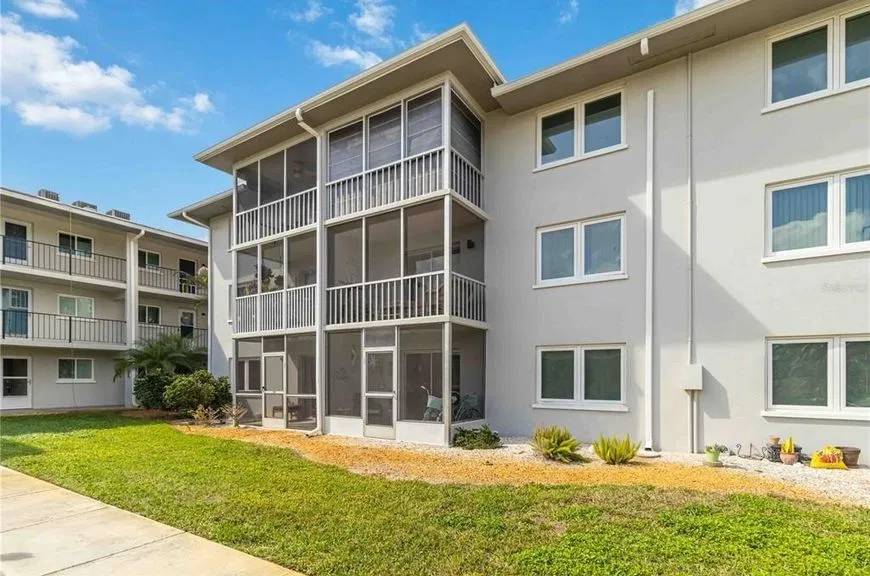
- Broward: More suburban product, higher relative inventory, more attractive entry pricing.
- The Trend: Both counties are seeing a "flight to quality," where properties with professional multifamily property management miami are outperforming those with DIY or call-center-based management.
The Cap Rate Face-Off: Yield vs. Appreciation
In the world of multifamily investing, the "Cap Rate" is the pulse of the market. It tells you how much investors are willing to pay for every dollar of Net Operating Income (NOI).
Miami-Dade: The Low-Cap, High-Appreciation Play
Miami-Dade remains the "crown jewel" of Florida real estate. Because of its global branding and limited land, investors are willing to accept lower cap rates in exchange for long-term security and massive appreciation potential.
- Class A (Urban Core): Typically trades between 4.75% – 5.25%. In neighborhoods like Brickell or Edgewater, cap rates can dip even lower for prime assets.
- Small Multifamily (2-4 units): These properties are currently seeing cap rates between 5.75% – 6.75%, reflecting a slight softening in the small-investor market compared to institutional assets.
Broward: The Cash-Flow Contender
Broward County, particularly areas like Fort Lauderdale, Hollywood, and Plantation, offers a different value proposition. Here, you get more "yield for your buck."
- Class A: Generally trades between 5.25% – 5.75%, offering a 50 basis point spread over Miami-Dade.
- Class B/C Garden Style: These suburban assets often reach 5.75% – 6.50%, making them ideal for investors who prioritize monthly cash-on-cash returns over speculative appreciation.

Professional management of multifamily assets in Broward and Dade ensures that physical upkeep matches the high expectations of today's tenants.
Operational Expenses: The Hidden ROI Killer
Your pro forma is only as good as your expense estimates. In 2026, two factors are dominating the conversation: Insurance and Property Taxes.
1. The "Miami Premium" in Insurance
Miami-Dade properties, especially those east of I-95, face some of the highest insurance premiums in the nation. While Broward is by no means cheap, the "coastal risk" premium is often slightly lower in Broward’s inland suburban pockets compared to Miami’s barrier islands and urban flood zones.
2. Tax Assessments and the 2025 Flood Disclosure Law
New regulations, including the 2025 Flood Disclosure Law, have made transparency a requirement. Miami-Dade has been more aggressive in its assessments, which can lead to "tax shock" for new owners. Strategic investors are increasingly looking toward property management broward county specialists who understand how to navigate local tax appeals and mitigate rising costs.
3. Maintenance Coordination
With aging 40-year and 50-year certifications becoming more stringent post-Surfside, maintenance is no longer a "fix it when it breaks" task. Proactive, 24/7 maintenance coordination is required to avoid massive special assessments that can evaporate your ROI overnight.
Tenant Dynamics: Where Is the Demand?
The profile of your tenant directly impacts your turnover costs and retention rates: two of the biggest drivers of multifamily ROI.
| Feature | Miami-Dade Tenant Profile | Broward Tenant Profile |
|---|---|---|
| Primary Industry | Finance, Tech, Tourism, International | Healthcare, Logistics, Aviation, Local Gov |
| Preference | High-density, walkability, luxury amenities | Space, parking, proximity to schools, value |
| Rent Resilience | High, but sensitive to global economic shifts | Very high, driven by local workforce stability |
| Retention | Lower (high mobility) | Higher (suburban stability) |
In Miami-Dade, our data shows that tenants in neighborhoods like South Miami are looking for premium finishes and tech-enabled living. In Broward, the focus is often on the quality of the building's management and the reliability of the utilities and security.

Modern luxury in Miami-Dade commands top-tier rents, but requires institutional-quality standards to maintain high occupancy.
Management Matters: The Boutique Advantage
Whether you choose Broward or Dade, the success of your multifamily portfolio hinges on management execution. At Threshold Management, we’ve eliminated the layers that slow down traditional firms.
- AI-Powered Screening: We use advanced data tools to ensure a 97% on-time rent collection rate, protecting your cash flow from the start.
- No Call Centers: You get direct access to the decision-makers. In the fast-moving South Florida market, waiting 48 hours for a call center to route a maintenance request is a liability.
- Transparency: Our detailed financial reporting allows you to track every dollar of your ROI in real-time.
The ROI Verdict: Which County Wins?
There is no single winner; there is only the "right" choice for your strategy.
Choose Miami-Dade if:
- You are looking for a long-term wealth preservation play.
- You want to capitalize on the "Miami brand" and global migration.
- You are comfortable with lower current yields in exchange for higher exit prices.
Choose Broward if:
- Your goal is immediate monthly cash flow.
- You prefer the stability of the local workforce and suburban demand.
- You want better physical property value (larger units, newer construction) for the same purchase price.
Frequently Asked Questions (FAQ)
What is the average vacancy rate for multifamily in South Florida in 2026?
Currently, stabilized multifamily properties are seeing vacancy rates between 5% and 7%. However, new Class A buildings in "lease-up" phases may see temporary spikes due to high supply.
How do property taxes differ between Broward and Dade?
While both use similar millage rate structures, Miami-Dade’s higher property valuations often result in a higher total tax bill. It is critical to consult with a South Florida property management expert to estimate post-sale tax adjustments accurately.
Is it harder to manage properties in Broward or Dade?
Each has its own challenges. Miami-Dade has more complex zoning and city-specific regulations (like the City of Miami vs. Miami Beach). Broward is generally more streamlined, but managing garden-style assets across a wider geographic area requires a robust maintenance network.
Should I invest in a 2-4 unit property or a 10+ unit building?
In 2026, 10+ unit buildings are seeing more institutional interest and stability. However, the 2-4 unit market in Broward currently offers some of the best entry points for "value-add" investors looking to build a portfolio.
Strategic Next Steps for Investors
If you are currently analyzing a multifamily deal in South Florida, don't rely on outdated 2024 pro formas. The market has moved.
Analyze. Track. Leverage.
At Threshold Management, we provide the data-driven insights and boutique-level service needed to win in this competitive landscape. Whether you are scaling a portfolio in the urban heart of Miami or seeking yield in the Broward suburbs, we are your performance-focused partner.
Explore our management services today and see how we can maximize your South Florida ROI.

Trust your portfolio to a company recognized for excellence in the Miami-Dade and Broward markets.
Disclaimer: The financial data and cap rates provided in this article are based on market trends and institutional research for the 2026 period. Real estate investment involves risk. Always consult with a licensed financial advisor and conduct thorough due diligence before purchasing property.