
SHORT-TERM RENTAL GUIDE
How to Maximize Your Short-Term Rental’s Market Appeal
Building a rental portfolio can be a great way to earn a steady cash flow. However, the market is crowded, and getting consistent revenue takes more than just having a property in a good location.
A property’s perceived value often comes down to that very first look potential buyers have during a walkthrough. To stand out from all the other listings, it’s important to be intentional about your presentation.
Below, we’ll cover the specific steps you can take to prep your unit and attract higher-quality interest.
What This Guide Covers
- 1Deep cleaning and decluttering strategy
- 2Neutralizing interior finishes for mass appeal
- 3Creating functional, high-impact room layouts
- 4Lighting upgrades that elevate perceived value
- 5Kitchen and bathroom priority improvements
- 6Exterior updates and curb appeal upgrades
- 7Maximizing overall rental property value
Clean and Declutter the Property
Staging your rental is a really important first step to take. However, it can be a wasted effort if you don’t start with a deep clean. You want to have a really fresh starting point, so the best features of the home actually stand out.
If your unit has carpets, you might want to consider hiring professional steam cleaners to get the fabric looking new again. Outside of improvements in your floors, make sure you take the time to scrub every window, backsplash, and kitchen appliance. Check the walls for scuffs and touch up the paint or fix minor damage where you see it. These small eye-sores can easily distract a potential renter during a walkthrough or when they look at photos. Advice from Joel Wilson, CEO of Simple Property Management , and Threshold Management , suggests that properly presenting a rental can significantly increase tenant interest and perceived value.
Another major benefit of cleaning and decluttering your property is the impact on air quality and scent. A space that looks sharp and smells fresh makes a strong impact. It helps people feel comfortable and makes it easier for them to see the rental as a place they’d actually like to live in.
Neutralize Interior Finishes
Your lease terms will likely dictate whether a guest can change the decor, but if you want to keep design control, it’s important to be smart about the colors you pick. The shades you choose for the walls and trim, for example, can significantly influence how inviting the property feels to a visitor .
Generally, using a muted palette is the best strategy when you are getting a rental ready for the market. Soft whites, tans, or light grays keep the environment looking bright and polished. These colors are less likely to clash with a tenant’s personal belongings or furniture choices.
You should also try to neutralize the “personality” of the home during showings. By removing personal items like family photos or unique trinkets, you create a blank slate for the potential renters to use. This makes it easier for them to visualize their own furniture or decor within the rooms.
Decide on Functional Room Layouts
While you might decorate your own home based on personal taste, staging a rental is about meeting the needs of your target renters. This is especially important if you are offering a furnished unit where the guests will depend on the layout you’ve already created, and where clear expectations and thoughtful presentation help build long-term tenant trust, as noted by Christopher Migliaccio, founder of Warren & Migliaccio L.L.P.
Just like with paint, it’s best to choose furniture styles that are versatile and understated. You want to organize the pieces to maximize both comfort and utility. Think about the daily routines of your future occupants in both shared and private areas.
Make sure the flow of the room stays open as well. You want it to be easy to walk through rather than feeling restricted by bulky furniture. A layout that flows naturally will make the space seem larger and more functional.
Perceived Value
Thoughtful layouts increase visual clarity and elevate property appeal.
Spatial Flow
Open pathways make rooms feel larger and easier to navigate.
Renter Experience
Functional layouts directly influence comfort and satisfaction.
Ready to Elevate Your Rental Property?
Strategic presentation, smarter layouts, and intentional upgrades separate average listings from high-performing assets.
Explore Property Management Solutions →Improve Your Interior Lighting
While it might not be your first thought, lighting plays a direct role in how a room feels. In many cases, a property’s visual temperature determines how well the space translates in photos and video tours.
Whenever possible, leverage natural sunlight to create a calmer, more inviting atmosphere. If natural light is limited, install LED fixtures with adjustable color temperatures to simulate a warm, natural glow.
The objective is balance — enough brightness to highlight detail, without creating harsh glare. A well-balanced lighting plan makes the space feel elevated, comfortable, and high-end.
Natural Light Priority
Maximize daylight exposure wherever possible.
Warm LED (2700K–3000K)
Adjustable warmth improves ambiance and comfort.
Brightness Balance
Avoid glare while maintaining visual clarity.
Prioritize Essential Room Upgrades
If you are working with a limited budget, you should try to focus resources on the rooms that matter most. Kitchens and bathrooms are usually the main factors that help a person decide on a rental. You should allocate a good portion of your staging funds to making these areas look their best.
Since everyone expects a clean kitchen, you should ensure every counter and backsplash is spotless and free of clutter. Adding small details like fresh linens or modern soap pumps is an affordable way to add some character without making the space feel crowded.
In the bathroom, a new shower curtain, a clean rug, and updated hardware can make the space feel brand new. Swapping out old, dated pieces for more modern alternatives is a quick, inexpensive fix that makes a big difference.
Kitchen Focus
- Deep clean surfaces and appliances
- Remove visible clutter
- Introduce small modern accents
Bathroom Focus
- Replace dated fixtures
- Refresh textiles and hardware
- Maintain spotless presentation
Update the Exterior
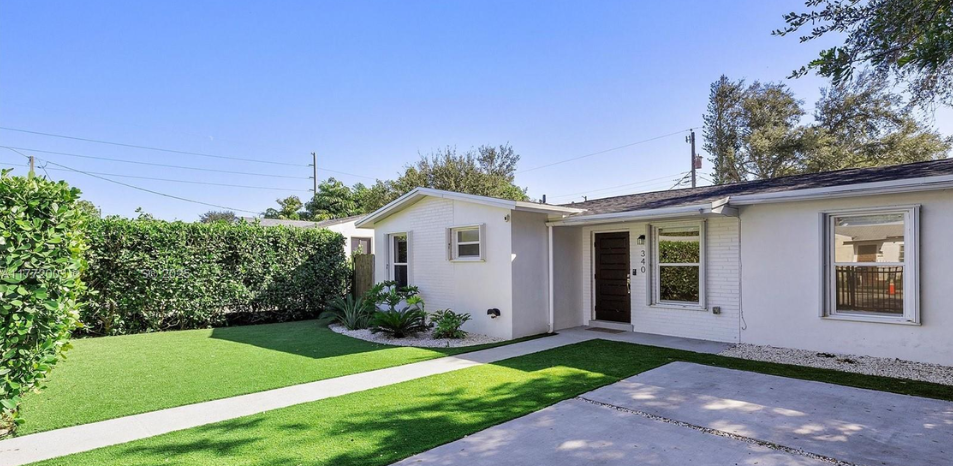
While you might initially focus on the interior of your rental during custom renovations, don't forget the outside of the property. Your property’s exterior creates the first impression for any prospective tenant, so it should look better than the competition.
Improving your curb appeal doesn't have to be expensive. Often, a good pressure washing of the walls, walkways, and driveway can completely transform the look of the home.
If there is a yard, make sure you prune overgrown bushes and keep the lawn mowed. You might also consider a fresh coat of paint on the front door to give the home a more polished look.
Curb Appeal
Exterior presentation directly influences initial perception.
Low-Cost Impact
Cleaning and minor paint updates deliver visible transformation.
Competitive Edge
A polished exterior positions your rental above similar listings.
Maximize the Perceived Value of Your Rental Property
Prepping your rental for the market is a strategic move that can truly pay off when executed properly. Clean presentation, thoughtful upgrades, and intentional improvements all influence how tenants perceive value.
By following these practical steps, you can create more demand for your space and significantly increase your long-term earning potential. Smart renovation planning helps reduce vacancy time and position your property competitively.
For a deeper look at how strategic kitchen remodeling and layout optimization can drive stronger returns, see Renovations to Maximize Home Value .

Frequently Asked Questions About Preparing a Rental for the Market
Does staging really increase rental demand?
Yes. Strategic staging improves perceived value, helps renters visualize themselves in the space, and makes listing photos more compelling. Properties that feel clean, neutral, and functional typically attract stronger interest and reduce time on market.
What rooms matter most when upgrading a rental?
Kitchens and bathrooms usually have the biggest impact on decision-making. Clean surfaces, updated hardware, and small modern details often deliver higher returns than upgrading secondary rooms.
How important is lighting when marketing a rental?
Lighting plays a major role in how a property looks in photos and in person. Natural light is ideal, but adjustable warm LED lighting can create a comfortable, high-end atmosphere when sunlight is limited.
Should I repaint before listing my rental?
In most cases, yes. Neutral tones such as soft whites, light grays, or warm beiges help create broad appeal and prevent clashing with a tenant’s personal style.
How much should I invest in exterior updates?
Exterior improvements do not need to be expensive. Pressure washing, trimming landscaping, and refreshing the front door can significantly improve first impressions without a large budget.
Is decluttering really that important?
Absolutely. A clutter-free space feels larger, cleaner, and more move-in ready. Removing personal items also helps renters better visualize how their own belongings would fit in the home.
Sources & Research References
- National Association of Realtors® — Profile of Home Staging
- Remodeling Magazine — Cost vs. Value Report (Kitchen & Bathroom ROI)
- Zillow Research — Rental Market & Listing Performance Insights
- Redfin Research Center — Pricing, Presentation & Market Trends
- U.S. Department of Energy — LED Lighting & Color Temperature Guidance
- Harvard Joint Center for Housing Studies — Remodeling & Property Investment Research
- Apartment List Research — Rental Demand & Tenant Behavior Trends
- Better Homes & Gardens — Curb Appeal & Exterior Improvement Studies
Owner Resources
Helpful tools and insights to support property owners and investors