For decades, many Miami condominium associations kept monthly assessments artificially low by voting to waive or reduce their reserve funds. That era officially ended in 2025, and as we move through 2026, property owners are feeling the full weight of "Reserve Shock."
With the first full year of mandatory funding requirements in effect, the landscape of condo management in Miami has shifted from elective maintenance to strict, state-mandated compliance. At Threshold Management, we believe that transparency and data are the best tools to combat financial uncertainty.
If you own a unit or represent an association, here is a professional breakdown of the 10 critical factors defining the 2026 condo landscape and how you can navigate them without compromising your ROI.
1. The Death of the "Reserve Waiver"
Historically, Florida law allowed condo boards to put reserve funding to a membership vote. If the majority agreed, the association could "kick the can down the road," failing to save for a new roof or structural repairs.
Under Florida SB 4-D and SB 154, for any budget adopted on or after December 31, 2024, associations are prohibited from waiving or reducing reserves for items listed in a Structural Integrity Reserve Study (SIRS). This means 2026 is the first year many owners are seeing their monthly dues double, or even triple, to meet these mandatory savings requirements.
2. The 3-Story Threshold
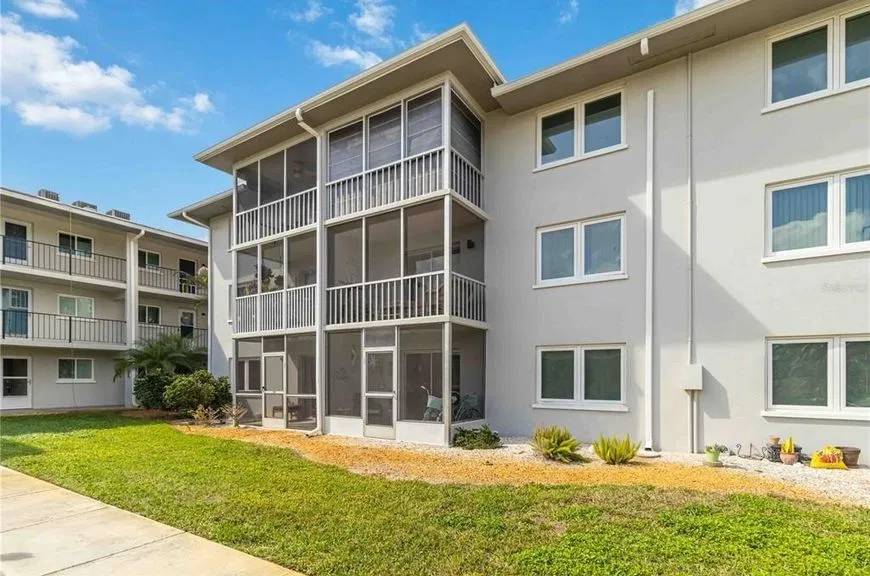
The new regulations aren't universal, but they cover the vast majority of the Miami market. The SIRS and milestone inspection requirements apply specifically to residential condominium and cooperative buildings that are three stories or higher.
If your asset is a two-story garden-style condo, you may have more flexibility, but for the high-rises of Brickell and the mid-rises of Coral Gables, compliance is a legal necessity. For owners of these assets, partnering with one of the top miami property management companies is essential to ensure these nuances are handled correctly.

3. Understanding the SIRS (Structural Integrity Reserve Study)
A SIRS is not a standard reserve study. It is a targeted evaluation focused on the "life-safety" components of a building. By law, it must include a visual inspection by a licensed engineer or architect.
The SIRS must address:
- Roofing systems
- Load-bearing walls and primary structural members
- Floor and roof decks
- Foundations
- Fireproofing and fire protection systems
- Plumbing and electrical systems
- Waterproofing and exterior painting
- Windows and exterior doors
4. Milestone Inspections: The 25/30-Year Rule
Separate from the SIRS is the Milestone Inspection. In Miami-Dade and Broward County, buildings within three miles of the coastline must undergo their first inspection when they reach 25 years of age. For those further inland, the mark is 30 years.
In 2026, many buildings that were completed in the late 90s and early 2000s are hitting these milestones simultaneously. If a Phase 1 inspection reveals "substantial structural deterioration," a more invasive Phase 2 inspection is triggered, often leading to immediate and costly special assessments.
5. The "Reserve Shock" Financial Impact
The term "Reserve Shock" describes the sudden, massive increase in association fees required to catch up on decades of underfunding. In some Miami buildings, reserves were funded at less than 10% of their required levels. Moving to 100% funding by 2026 has created a liquidity crisis for some owners.
To manage this, we recommend that owners track their financial reporting closely. Understanding the "Remaining Useful Life" of each component allows you to anticipate when the largest capital expenditures will hit.

6. Transparency and Official Records
One of the most powerful tools for an owner in 2026 is the right to information. Florida law now requires that SIRS and Milestone Inspection reports be part of the association’s official records.
Prospective buyers and current owners have the right to inspect these documents. If you are looking to sell your unit, having a "clean" SIRS report is now just as important as having a modern kitchen. Buyers are increasingly wary of buildings with "subjective" maintenance histories. You can stay updated on how this affects values in our rental market trends report.
7. The Impact on Property Insurance
Miami property insurance has been a pain point for years. However, there is a silver lining: buildings that have completed their SIRS and Milestone Inspections and have performed the necessary structural repairs are often seen as lower risk by insurers.
While the initial cost of repairs is high, the long-term benefit is a stabilization of insurance premiums. Carriers in 2026 are increasingly refusing to cover buildings that cannot prove structural integrity.
8. Strategic Budgeting: "Catch-Up" Assessments
For associations that are significantly behind, 2026 may involve "catch-up" assessments. Instead of raising monthly dues by 400%, some boards are opting for a combination of moderate monthly increases and a one-time special assessment to seed the reserve fund.
As a property owner, it is critical to analyze these budgets with a data-driven approach. A large special assessment can be a blow to short-term cash flow, but it often protects the long-term equity of the asset.
9. Real Estate Disclosures in 2026
Selling a condo in Miami now requires more than just a standard contract. Sellers are legally obligated to disclose whether the building has completed its required inspections. Failure to disclose a pending Milestone Inspection or a "deficient" SIRS can lead to legal liability and voided contracts. Review our real estate disclosure guide to ensure you stay compliant during any transaction.
10. Why Professional Management is the Only Path Forward
The complexity of 2026 condo laws has made "self-managed" or "mom-and-pop" management styles obsolete for high-rises. The risk of non-compliance, including personal liability for board members, is too high.
Threshold Management provides the institutional operating standards required to navigate these laws. From coordinating with engineers for SIRS to managing the 24/7 maintenance required to keep structural components in top shape, we ensure your investment isn't just a home, but a compliant, high-performing asset.

Frequently Asked Questions (FAQ)
Q: Can my association still waive reserves if we all vote for it?
A: No. For budgets adopted on or after December 31, 2024, owners cannot vote to waive or reduce reserves for items identified in the Structural Integrity Reserve Study (SIRS).
Q: What happens if our building misses the SIRS deadline?
A: The association can face significant fines from the Florida Department of Business and Professional Regulation (DBPR), and board members could be held liable for a breach of fiduciary duty.
Q: Will these laws make my condo's value drop?
A: In the short term, "Reserve Shock" can cause a dip as some owners sell to avoid high dues. However, in the long term, buildings with fully funded reserves and certified structural integrity will be much more valuable and easier to finance/insure.
Q: Does Threshold Management handle the SIRS process?
A: While we are not engineers, we act as the project manager: sourcing the right licensed professionals, overseeing the inspection process, and integrating the findings into a transparent, multi-year financial plan for our owners.
Maximize Your Benefits in a Changing Market
The 2026 condo laws are designed to prevent tragedies, but they require a sophisticated financial strategy to survive. Don't let "Reserve Shock" catch you off guard.
Analyze. Track. Leverage.
If you own property in Miami or Broward County and want to ensure your asset is both compliant and profitable, Explore our South Miami property management services or contact us today for a portfolio review. Let’s make the data work for you.